
*How to Turn Your Home Kitchen Into a Commercial Kitchen (Requirements + Costs)
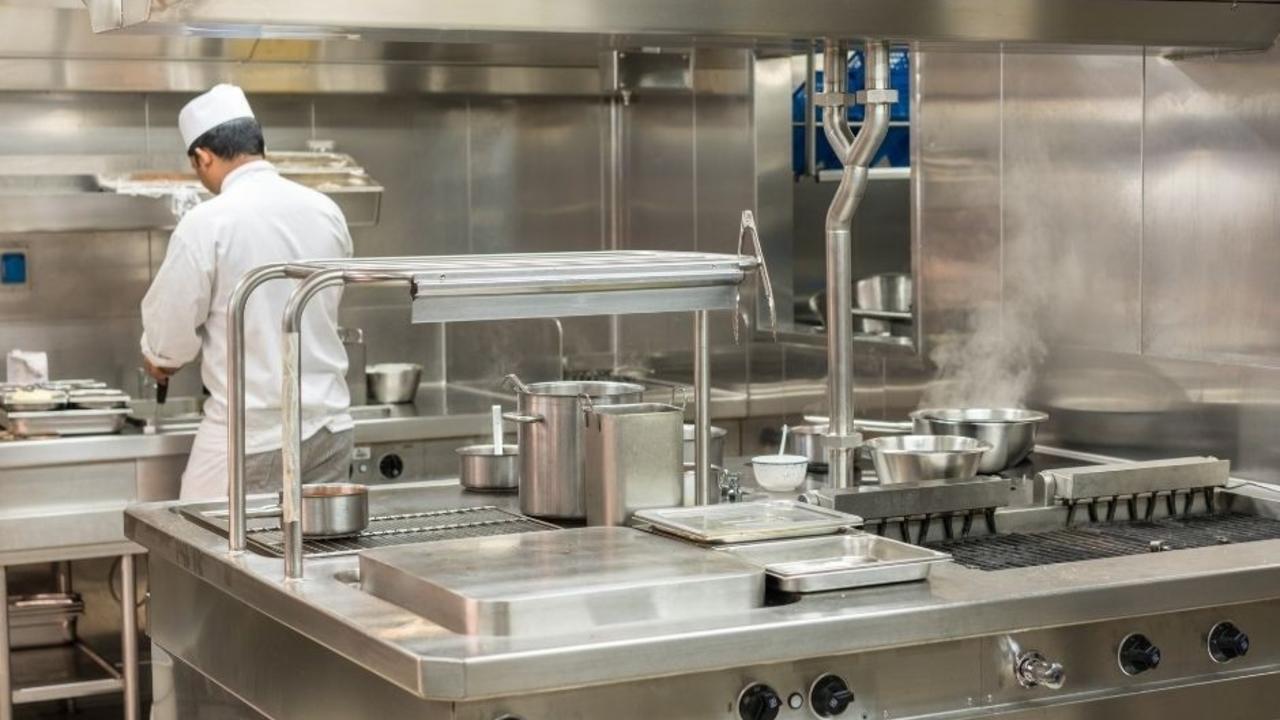
Turning your home kitchen into a commercial kitchen requires approval from your local health department and meeting strict fire, health, and business codes. Most standard home kitchens do not meet these requirements without significant upgrades.
Many people want to cook out of their home kitchen and sell food, but it is not legal to do so without proper approval.
So what does it actually take to turn your home kitchen into a health department approved commercial kitchen?
What Is a Commercial Kitchen?
A commercial kitchen is a space that meets local regulations for food safety, sanitation, and fire protection.
You cannot cook food at home and sell it to clients, either for delivery or pickup, without passing a health department inspection.
As a personal chef, you typically work in client homes, which eliminates this requirement. If you're comparing business models, read this next: Personal Chef vs Private Chef
Requirements to Convert a Home Kitchen Into a Commercial Kitchen
Requirements vary by location, but the following are commonly required upgrades.
Exhaust Hood System
This is often the most expensive upgrade.
A standard residential hood is usually not strong enough to pass inspection. You may need:
- A commercial-grade exhaust hood
- Ductwork modifications
- Fire suppression system
Refrigeration and Food Storage
Business food must be stored separately from personal food.
You will need:
- Dedicated refrigeration for business use
- Storage for produce, meats, and dry goods
- Space for containers and equipment
Three-Compartment Sink
Health departments require proper sanitation procedures.
This includes:
- A three-compartment sink for washing, rinsing, and sanitizing
- No use of sponges or dish towels for sanitation
Separate Produce Washing Area
To avoid cross-contamination, produce must be washed in a separate area from dishwashing.
Washable Surfaces
All kitchen surfaces must be easy to clean.
This includes:
- Floors
- Walls
- Counters
Stainless steel is commonly used in commercial kitchens.
Lighting Requirements
Lighting must meet specific regulations, including placement and brightness levels.
Health Department Approval Process
Once your kitchen is set up, the health department will inspect both your space and your process.
You will need to document how your food moves through your system.
Food Safety Process Requirements
You may need to outline:
- Where your food is sourced and stored
- How food is prepared and with what equipment
- How dishes are cleaned and stored
- How food is heated and cooled
- How food is packaged
- How food is transported to clients
Food Transportation Requirements
You must maintain safe food temperatures during transport.
This may require:
- A refrigerated vehicle
- Insulated containers such as Cambros
You may need separate containers for hot and cold food.
Keep in mind that these containers can be large and heavy when loaded, and your vehicle must be able to accommodate them.
Is Converting Your Home Kitchen Worth It?
There is a lot to consider, especially the cost.
Between equipment, construction, and compliance, converting a home kitchen into a commercial kitchen can be expensive.
An Alternative: Working as a Personal Chef
As a personal chef, you cook in client homes.
This means:
- No commercial kitchen required
- No rent or utility overhead
- No need for health department kitchen approval
It can also be a way to generate income before deciding whether to invest in a commercial kitchen.
If you are exploring how to start, read this next: How to Start a Personal Chef Business
Learn How to Start a Personal Chef Business
If you want to build a personal chef business without the overhead of a commercial kitchen, these resources will walk you through the full process:
Full Course: The Personal Chef Business in 10 Weeks →
Personal Chef Business Templates →
FAQ
Can I legally cook from my home kitchen and sell food?
Not without approval. Your kitchen must meet local health department requirements.
What is required for a commercial kitchen at home?
Typically a commercial hood, proper sinks, separate food storage, washable surfaces, and approved food safety processes.
Do personal chefs need a commercial kitchen?
No. Personal chefs work in client homes, which avoids the need for a commercial kitchen.
If You're Comparing Business Models, Read This Next

All-Inclusive Program
PERSONAL CHEF
BUSINESS PROGRAM
All-Inclusive Program
BUSINESS PROGRAM
Go from "I don't know where to begin" to running a profitable personal chef business so you have control over your own hours and income.
Modules Included:
1 - Define Your Competitive Advantage
2 - Determine Pricing
3 - Meal Prep 101
4 - Dinner Party 101
5 - Become Legal & Insured
6 - Create a Lead Generating Website
7 - Craft a Marketing Plan
8 - Test Various Marketing Strategies
9 - Bookkeeping
10 - Social Media
Personal Chef Mentor

Virginia Stockwell
Virginia Stockwell is a personal chef business mentor from California, now living in Austin, TX. She's had careers as a chiropractor and Realtor, then finally found her calling as a personal chef. Starting in catering in 2005, she began her personal chef business in 2012, quickly growing to a waiting list of clients thanks to her local marketing expertise. She now empowers home cooks and professional chefs to start their own meal prep and dinner party businesses, creating a life of hours and income they control. She lives the life of a minimalist both personally and professionally, reads cookbooks like novels, and is locally famous for her taco and margarita parties (check out "A Taco Walks into a Bar" on Amazon).

10 Things to Do Before Starting Your Personal Chef Business
Ten-Step Actionable Checklist of things to do before investing in this new business so you're prepared when your first paying client comes along.
for Free